 A Short Biography of Clo Vanseco (1936-2006)
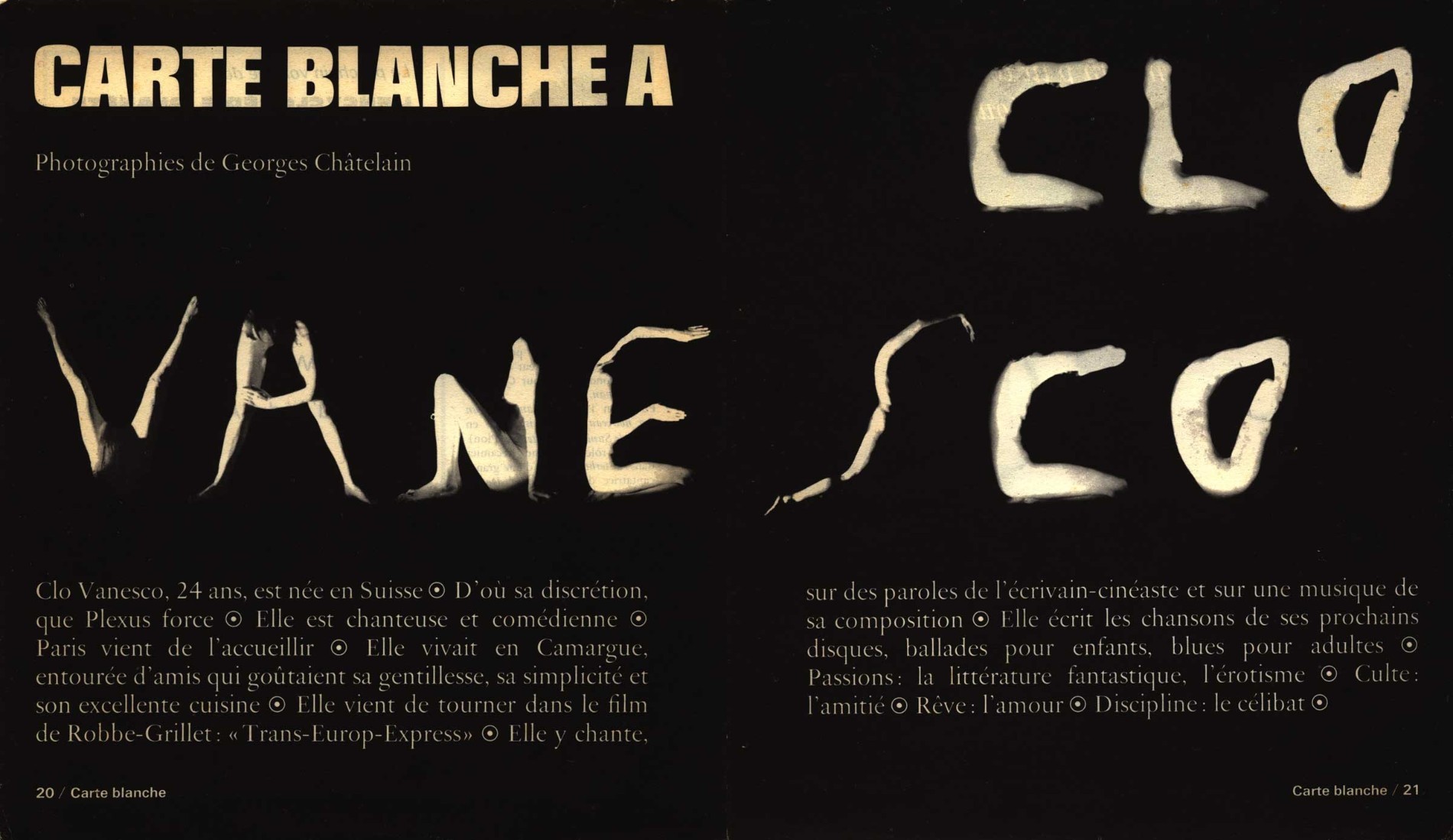
Clo Vanesco was a sculptor, print maker, painter, model, singer, and actress, with a career based in Paris, France and her native Lausanne, Switzerland.
Born one of five children into a loving family, her musician/composer father passed away when she was only seven years old, sending her and her siblings to an orphanage for five years as her mother grieved the loss of her beloved husband. The rigidly religious atmosphere of the orphanage was quite difficult for the young Clo, and she turned to drawing for consolation.
The family was reunited after her mother remarried, and in high school Clo fell in love with math, learned to play her father's old piano, and took up painting; flowers, animals, faces, and clouds were her favorite subjects. At age 17 she abruptly left home for Paris after an argument with her mother. She soon returned to Lausanne, but the urge to travel would stay with her forever.
Mastery of the English language and 14 months as an "au pair" in London followed; she studied Turner's paintings of marines at the National Gallery in her spare time. This was followed by two years in Madrid, where she quickly became fluent in Spanish, landing her gigs as a model and TV personality. Once again her spare time is spent in museums and galleries, studying works by Goya, Velasquez and Greco.
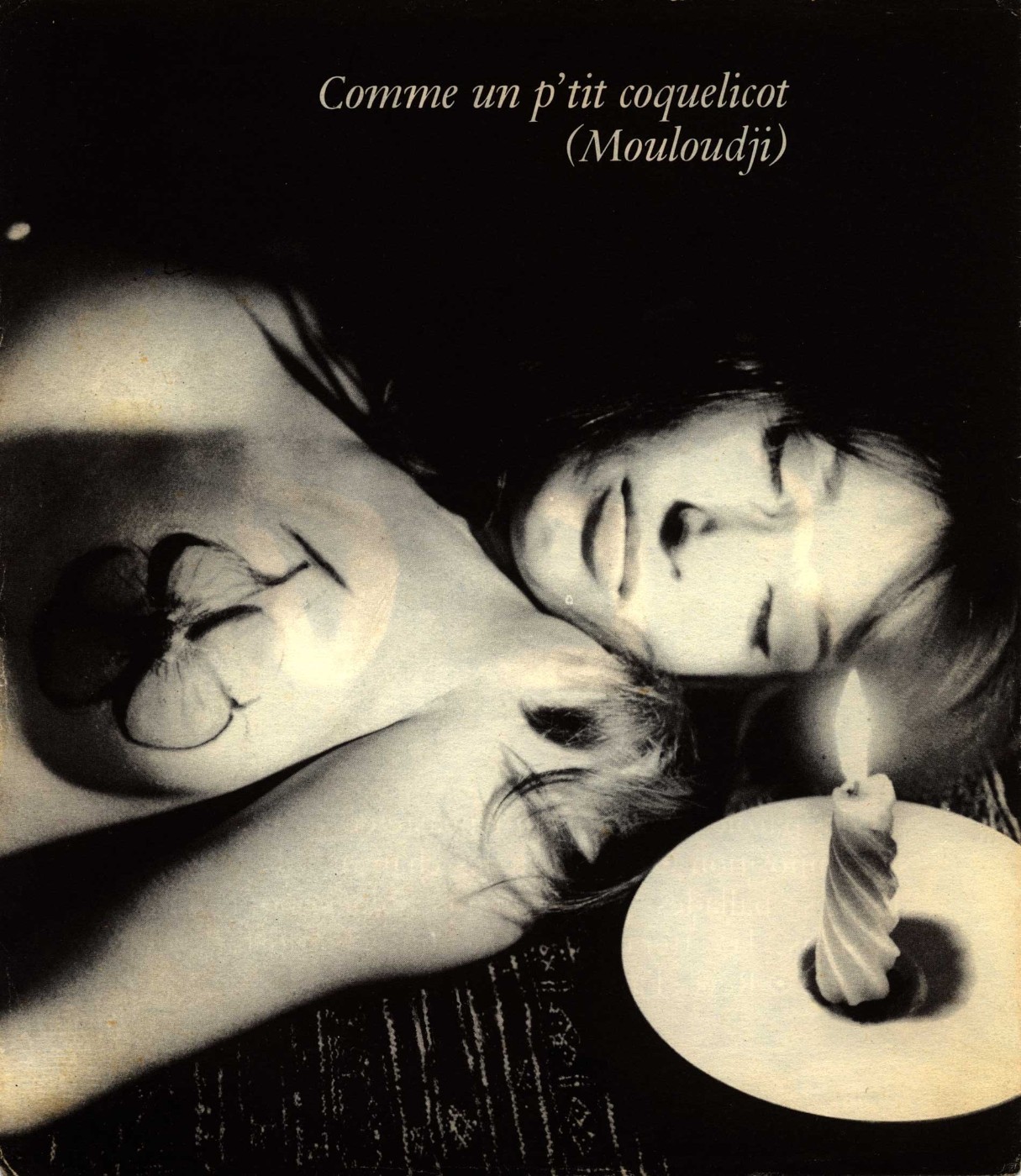
From there it's on to the Camargue region in the south of France, where she becomes maître d' at the famous restaurant "The Calabrun". It's a short stay though, for she is soon "discovered", and it's off to Paris as a burgeoning cinema star. She is cast in "La Ronde" with Vadim, in "Angélique", and "Trans-Europ-Express". She befriends the chic and stylish Brigitte Bardot. She sings and dances alongside the famous Mouloudji.
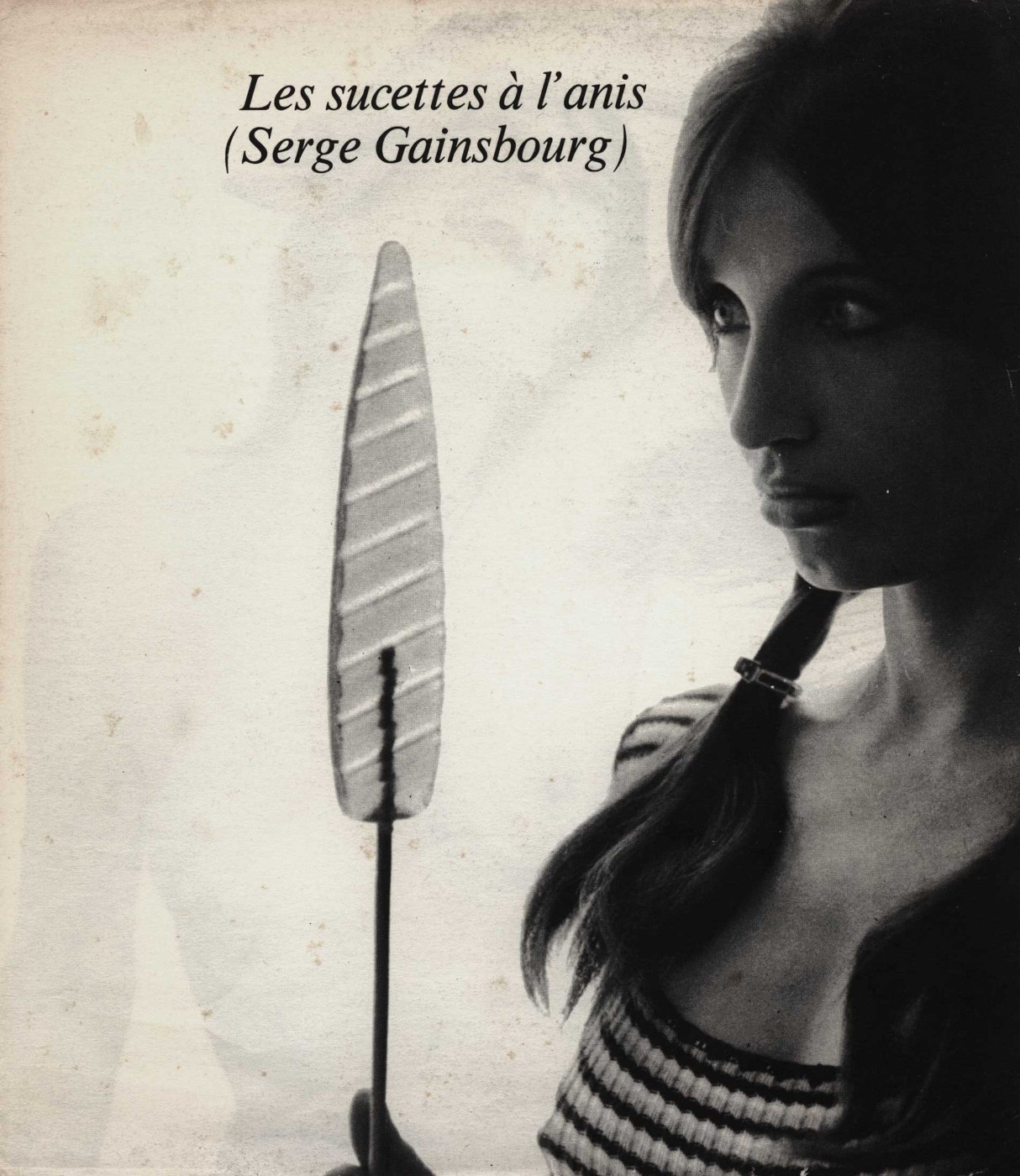
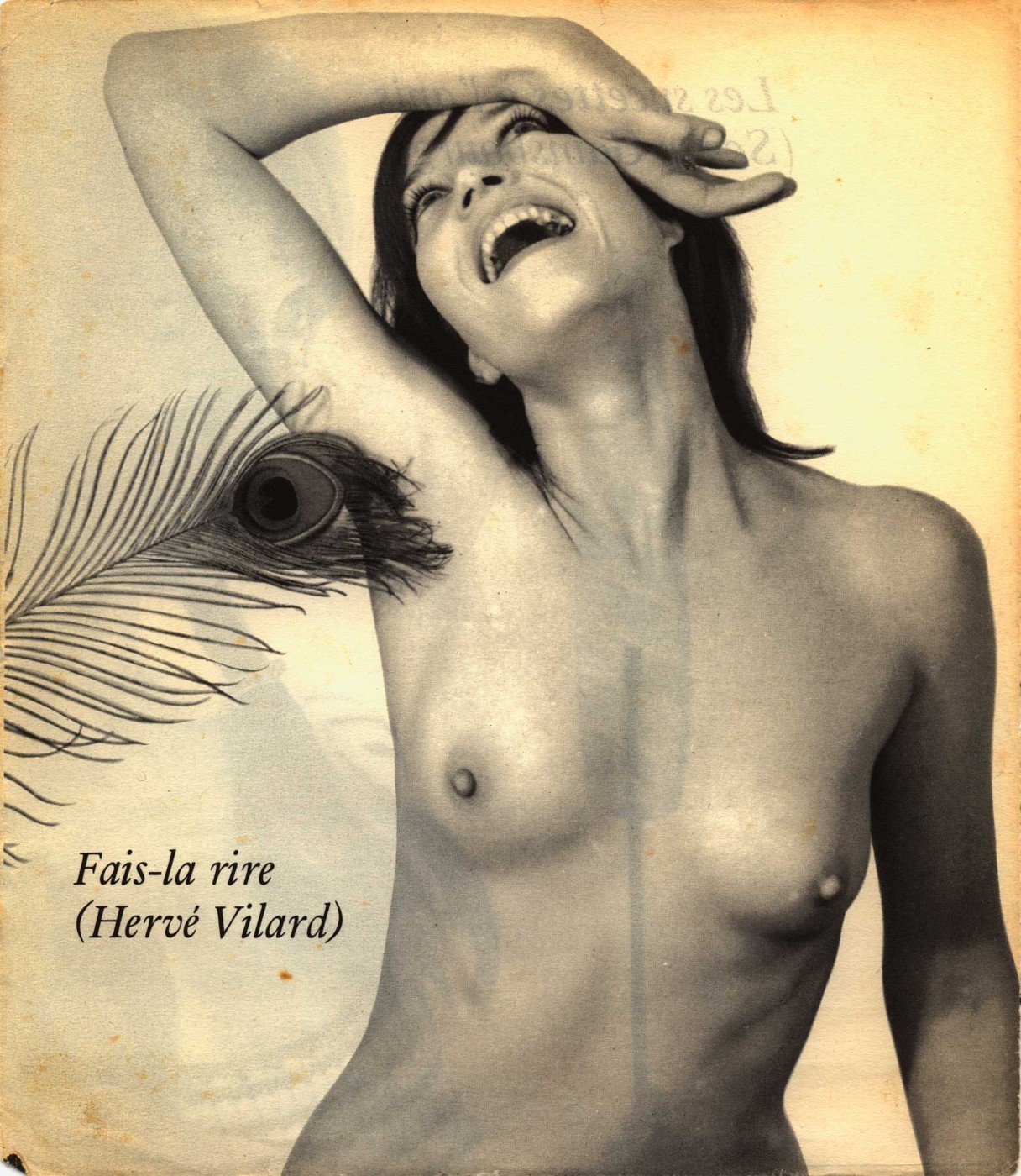
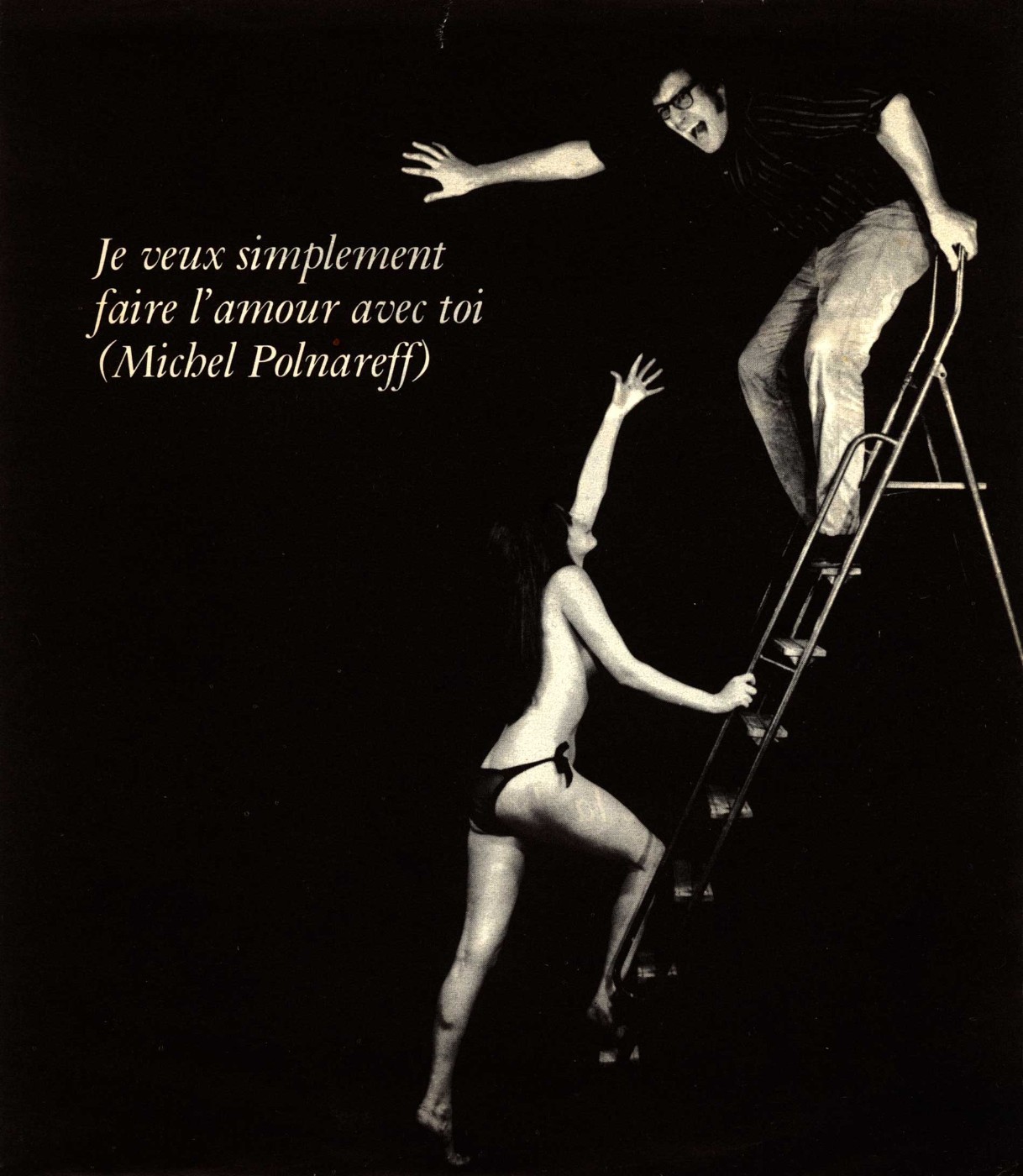
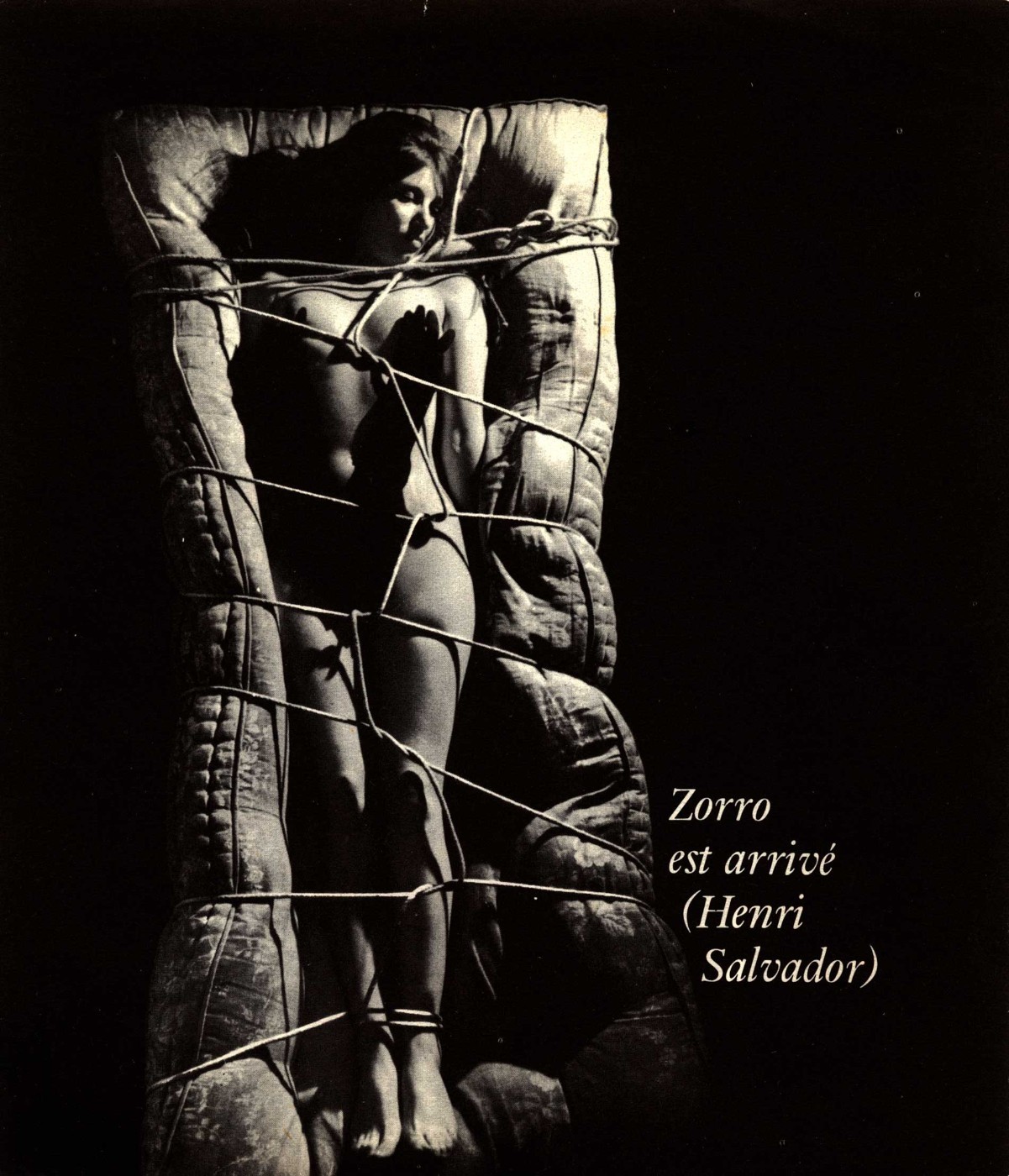
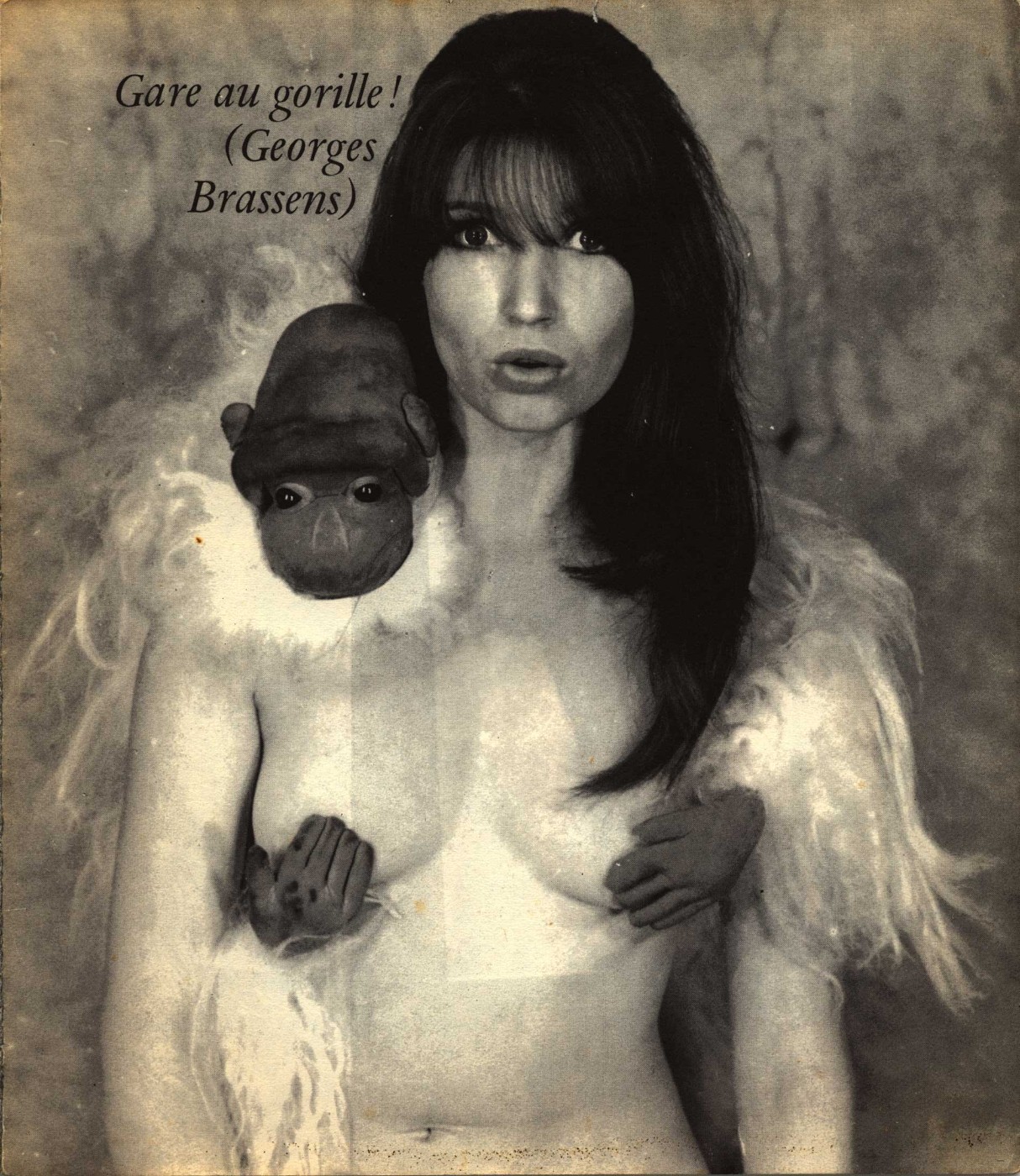
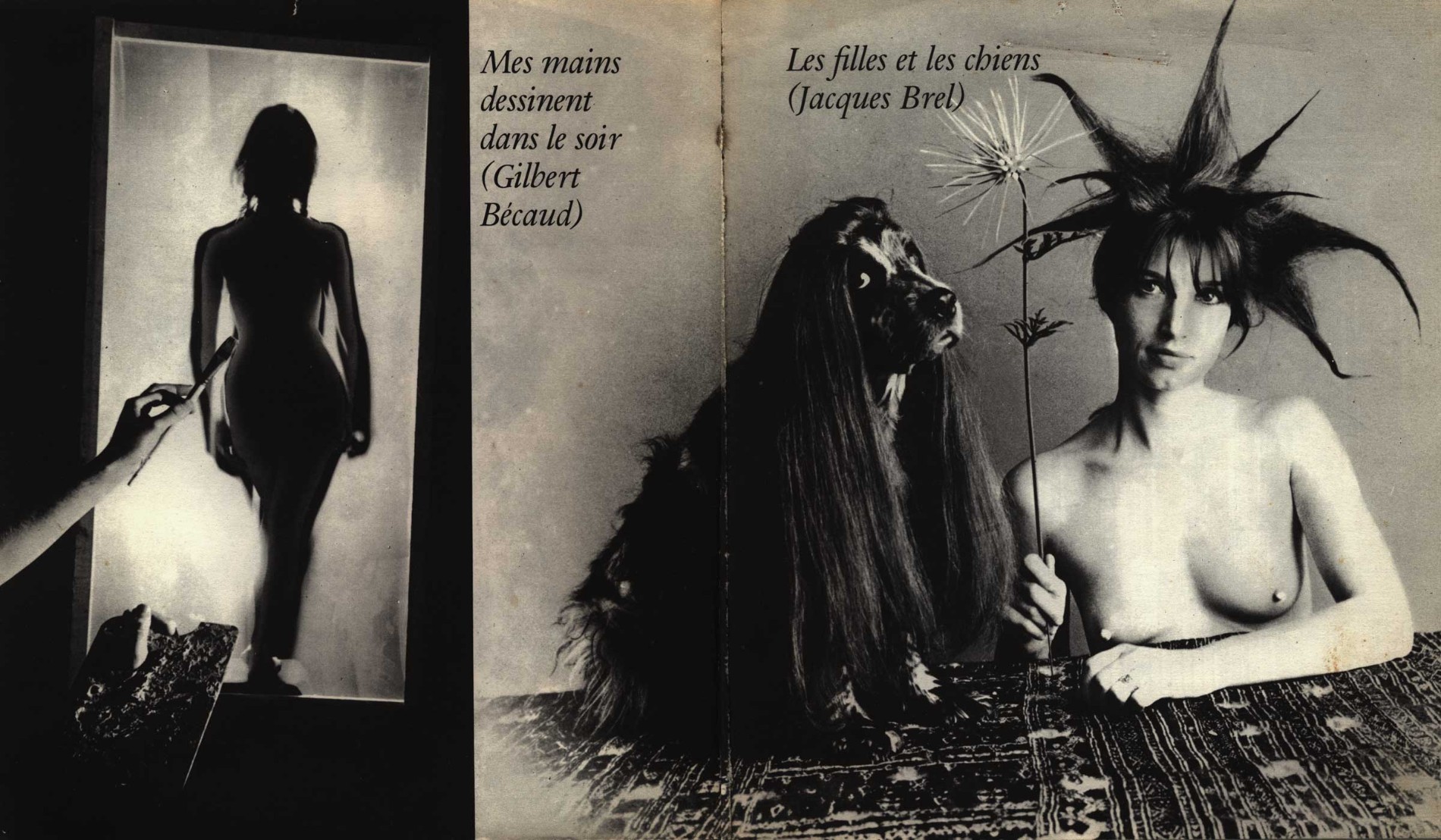
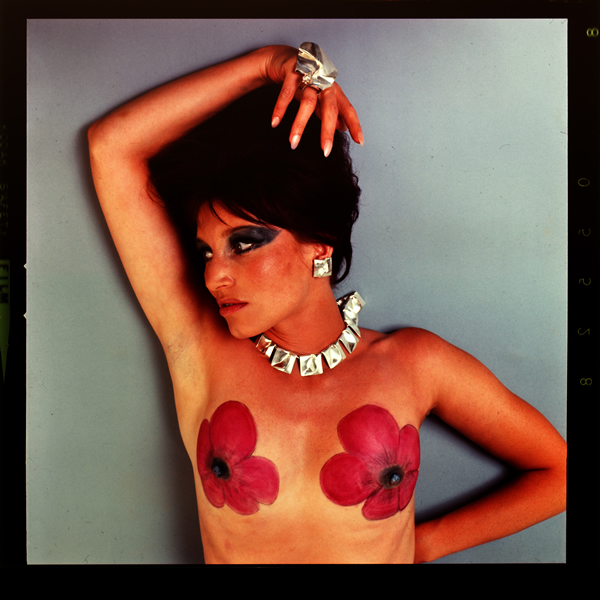
But her career in the performing arts is cut short by the birth of her son Laurent, and it's back to Lausanne to start a new chapter, where once again she is "discovered", this time by the photographer Dan Kramer. Before long it's back to Paris, and Kramer's photos of Clo would twice grace the cover of the French national photography magazine "Photo".
Still the quest for adventure is there. Clo and Dan buy a sailboat, and for four years they travel the Mediterranean with her young son, including a long stint on Corfu, where Dan's lens would find much to attract his interest.
Returning to Lausanne, Clo and Dan open the "Atelier Kramer/Vanesco". Clo is encouraged to take up sculpture by the great sculptor Caesar. Within three years their studio is thriving, and Clo's works are shown all over Paris and Lausanne.
It was during this era that they befriended the Hungarian born abstract expressionist painter Francois Fiedler, who had emigrated to France in his early 20s and whose studio was on the outskirts of Paris. Though his works had been likened to those of Pollack, and had been shown alongside those of Miro, Chagall, Picasso, Giacometti, etc., Fiedler’s renown in the art world was tempered by his refusal to succumb to the latest trends of “pop art”, instead forging his own path of harnessing entropy on canvas by letting his paintings spend a good portion of their time outside in the elements during their evolution toward finished pieces.
This “long game” meant that each piece was irreproduceable, which surely kept the more conniving types in the art world from hitching their wagons to Fiedler’s with no hope of repeat sales of works that were truly one of a kind. Warhol’s acknowledgement of this aspect of the art world was the perfect counterpoint, and quantity over quality quickly became the norm.
Then one fateful day Dan and Clo discovered that they had won the lottery. Only the prize was not money, but rather the chance to emigrate to America. The story goes that upon learning of this opportunity, Dan threw a dart at a map of America and it landed on San Diego. The rest, as they say, is history.